

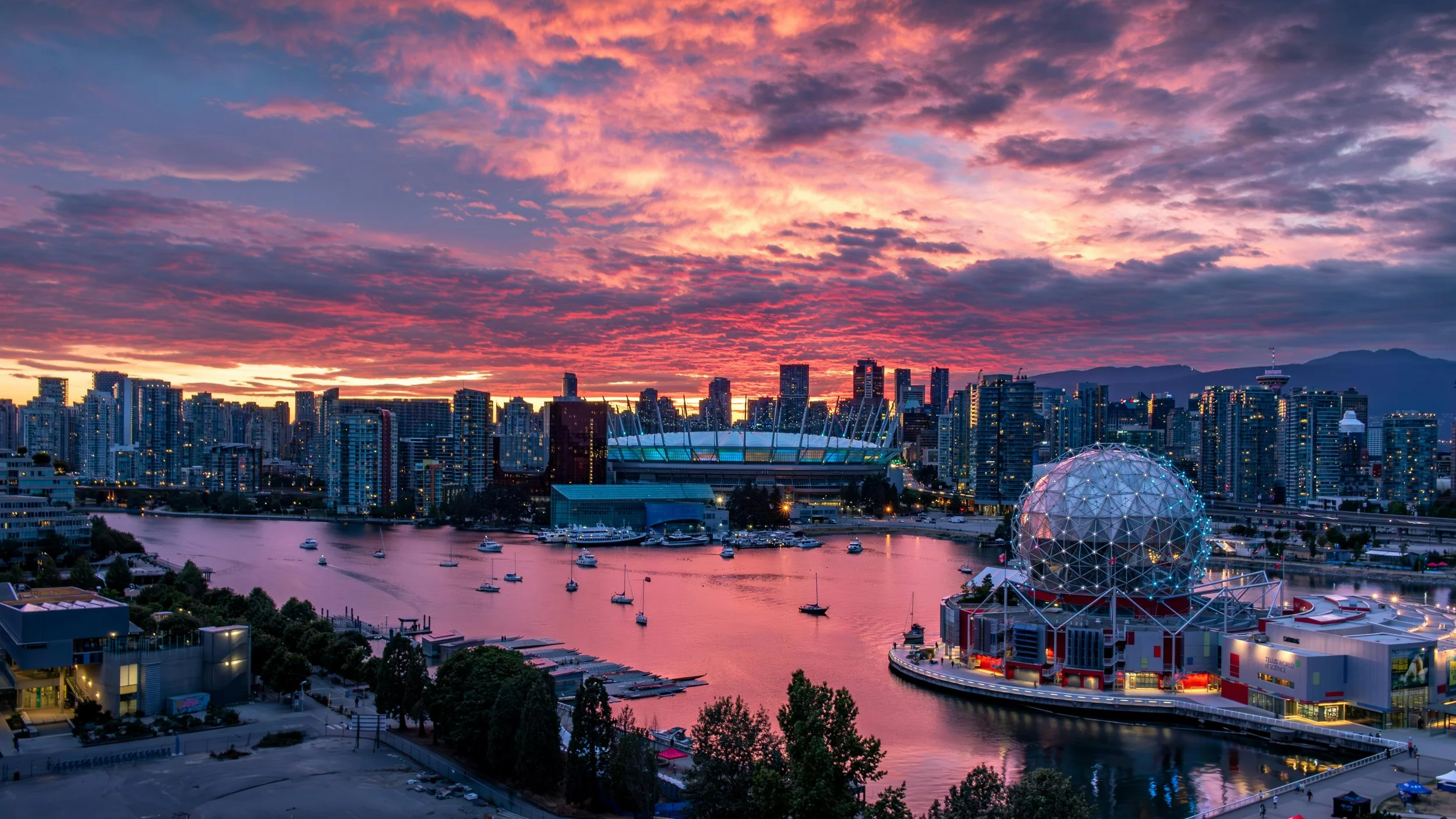
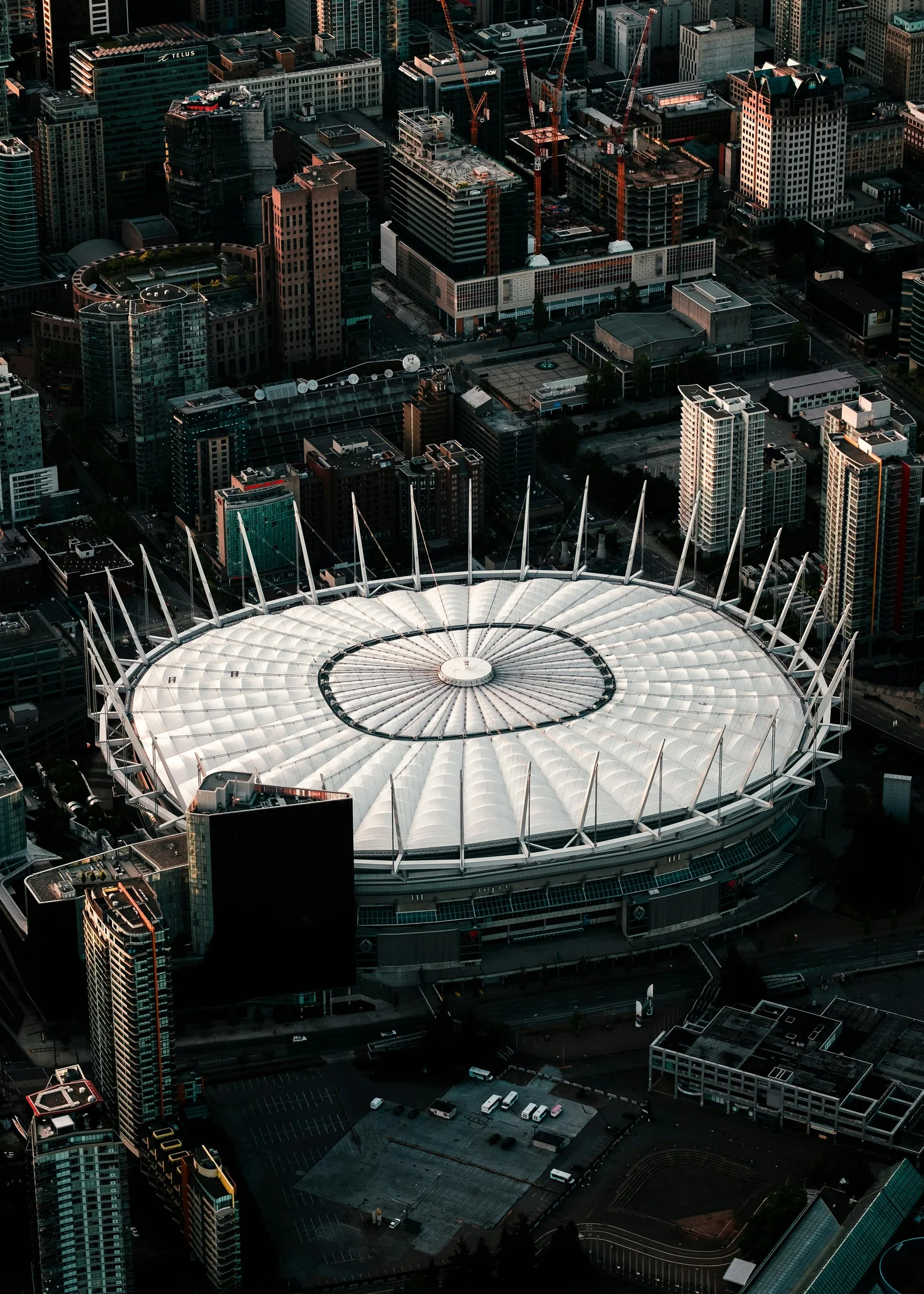
Vancouver in June and July 2026 is going to be busy. Seven international matches at BC Place across about four weeks. Hotels booked solid. Gastown, Yaletown, and the stadium district packed every match night.
If you're flying in for two or three games, you'll have 1 to 3 days between each match. That's when most people figure out the city. It's also when most people quietly exhaust themselves without realizing it.
This is a guide for what to actually do in Vancouver during the tournament. Mostly the standard stuff worth seeing. One section on something most visitors don't think about until it's too late.
If you're staying anywhere near downtown, most of this is within a short walk.
The match day schedule
Vancouver is hosting matches at BC Place on these dates:
- June 13
- June 18
- June 21
- June 24
- June 26
- July 2
- July 7
Most international visitors aren't here for all seven. They fly in for a group stage match, stay through the next one, maybe catch a knockout. That gives you a few full days to spend in the city between games.
Match day itself doesn't leave much room for sightseeing. You're navigating crowds, eating around the stadium, watching the game, and getting back to your hotel. The off-days are when you actually see Vancouver.
What to do in Vancouver between matches
Here are 8 options to fill the days between match days. Most of these spots are within a 10 to 15 minute radius of BC Place.
1. Walk BC Place and the stadium district on a non-match day
The area around BC Place is more interesting when it's quiet. Concord Pacific Place, the seawall along False Creek, the Plaza of Nations site. Easier photos. Better food without the crowds.
Parq Vancouver is right across from the stadium and has a few decent restaurants. Science World is a 10-minute walk along the water if you have kids with you.
If you're staying near BC Place during the tournament, this area is one of the easiest parts of Vancouver to explore on foot.
2. Stanley Park
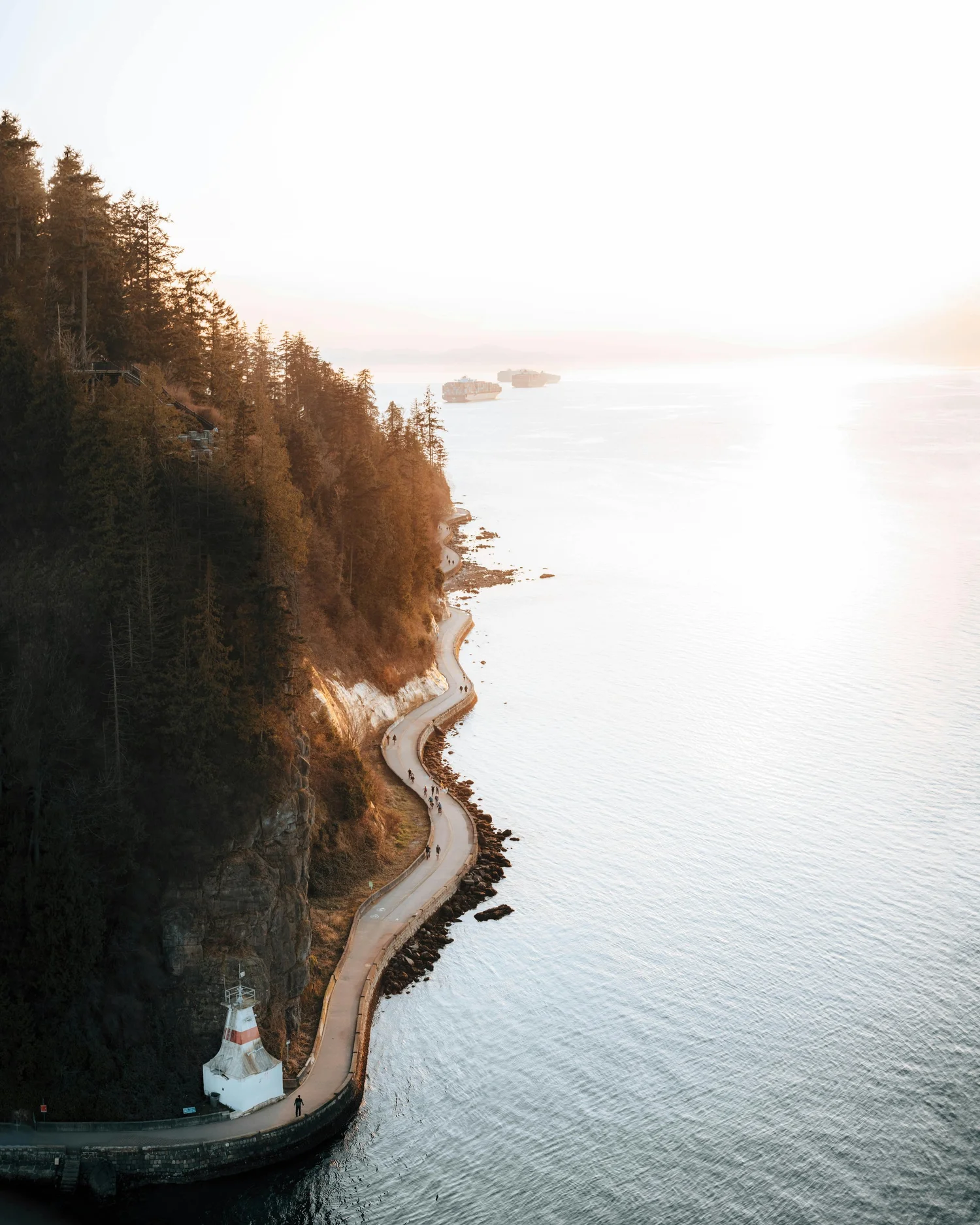
The seawall around Stanley Park is 10 kilometers. Most visitors try to walk the whole thing and regret it by kilometer 6.
A better move: rent a bike at Denman and Georgia, ride out to Third Beach, turn around. About an hour total. You'll see the views without wrecking your legs for the next match.
3. English Bay
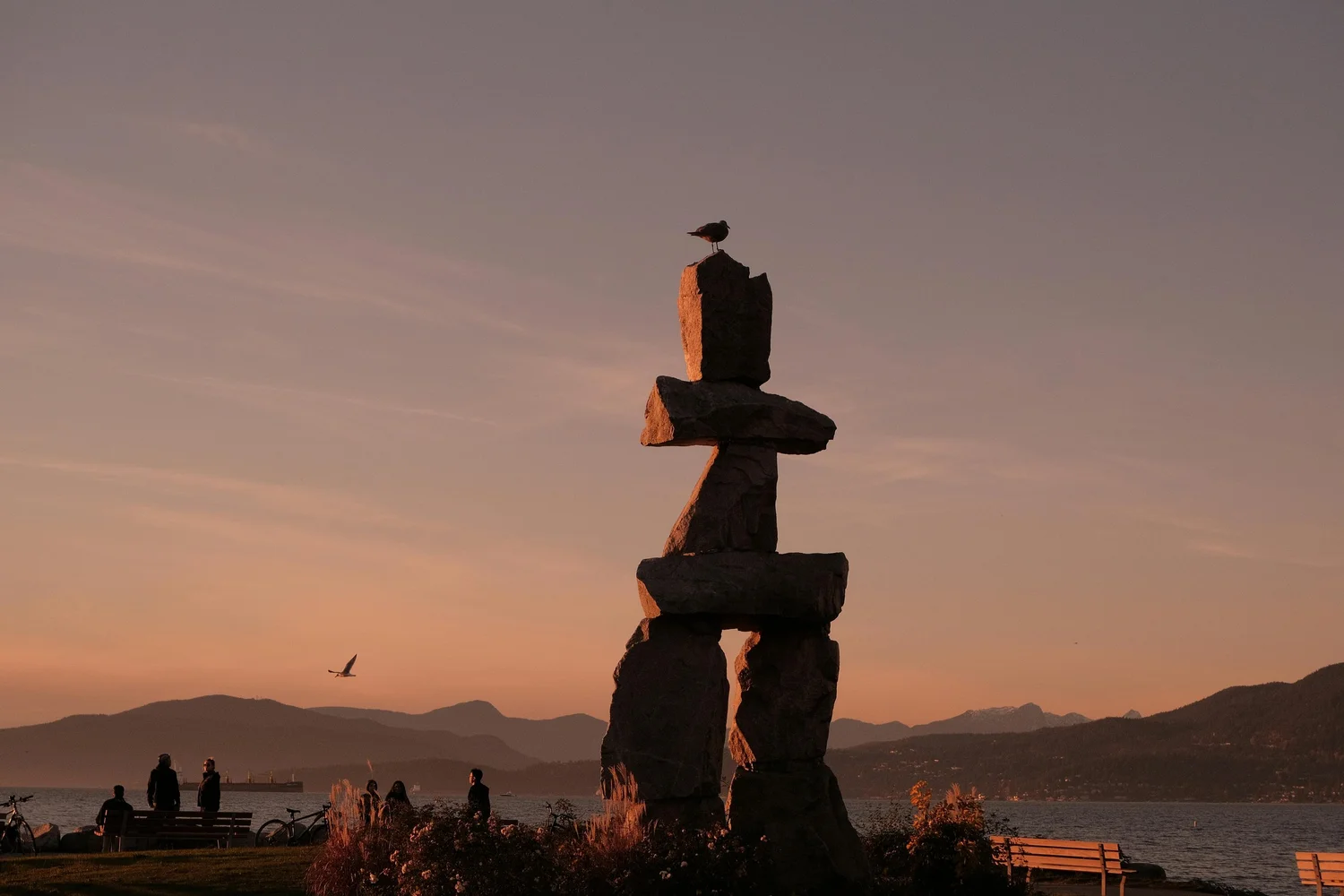
English Bay is the beach at the western end of Davie Street. Sit on the sand, watch the freighters in the harbor, eat something from one of the nearby restaurants. Sunset there is one of the more memorable evenings you can have in Vancouver without planning anything.
4. Gastown food
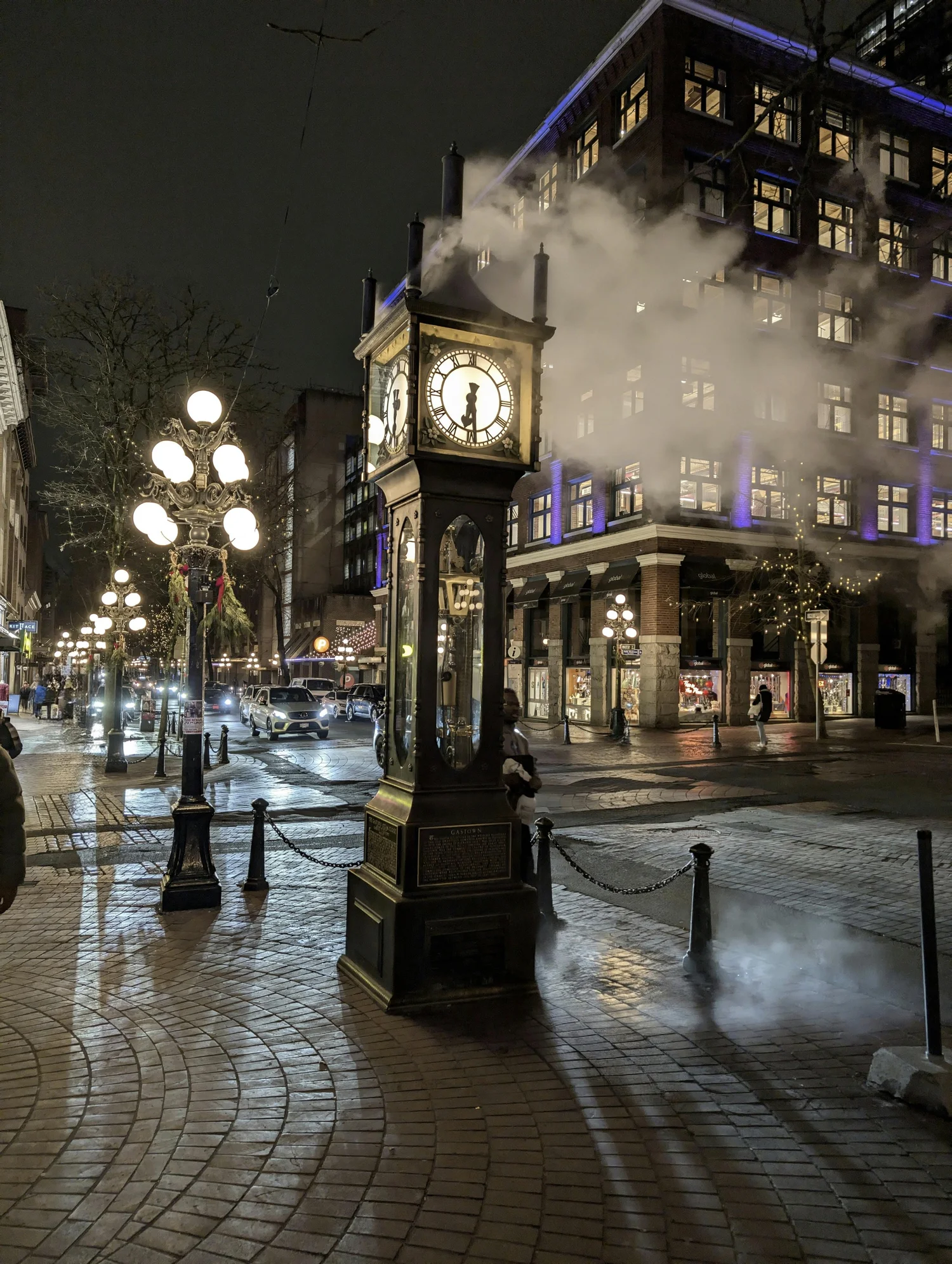
Gastown is the historic district near the waterfront. Cobblestone streets, brick buildings, the steam clock that everyone takes a photo of and then realizes is just okay.
The food, though, is good. L'Abattoir for elevated French. Wildebeest for steak. Meet on Cordova for plant-based. Tuc Craft Kitchen for Canadian comfort food. Most are walkable from each other.
5. Coffee
Vancouver takes coffee seriously. Skip the Starbucks chains and go to one of the local roasters.
Revolver in Gastown is small and busy and worth it. Nemesis on West Hastings has good light. Timbertrain Coffee Roasters is a short walk away. Pallet Coffee Roasters has a few locations across downtown.
6. Dark Table
Dark Table is a restaurant where you eat dinner in complete darkness, served by visually impaired servers. You order normally, then they walk you to your table in the pitch-black dining room.
It sounds gimmicky. It isn't. Your other senses calibrate. You taste food differently. It's an unusual evening that costs about the same as any nice dinner. Reserve ahead.
7. Scandinave Spa Whistler
If you have a free full day with no match the next morning, the Scandinave Spa in Whistler is one of the best outdoor hot-cold experiences in North America. Hot pools, cold plunges, eucalyptus steam, all set in old-growth forest.
The catch: Whistler is a 2-hour drive from downtown Vancouver. So 4 hours of driving plus 3 hours at the spa is a 7-hour day. Great if you have the time. Not realistic if your next match is in 48 hours.
8. Float House
Float House is a wellness studio in Gastown, Vancouver, about 5 minutes from BC Place on foot. They offer float therapy, hot-cold contrast therapy, and infrared sauna in private rooms.
It's especially convenient for visitors staying in Gastown, Yaletown, or near BC Place, because it's one of the few wellness experiences within walking distance of the stadium district.
This is one of the few options on this list specifically focused on recovery between match days, not just sightseeing.
Why visitors burn out by the second match
Most people underestimate how much a multi-match trip takes out of you.
Match day is high stimulation. Crowds, noise, alcohol, walking on concrete, eating later than usual, getting back to a hotel bed. Your nervous system stays elevated for hours after the final whistle.
Then the next morning, you've slept maybe 6 hours. You walk a lot. Eat heavy meals. Drink a beer at lunch because you're on vacation. Push through. By the second match, you're already running a deficit.
By the third, you're not really watching the game. You're enduring it.
This is called fatigue stacking. Each day adds load that the previous day's recovery didn't fully clear. Most people just push through it. The ones who travel well build in deliberate recovery.
How float therapy and hot-cold contrast help
The fastest way to reset between match days is to get your nervous system to actually shut off. Sleep alone won't do it if you're carrying enough stimulation into the night.
Float therapy works because it removes input. No light, no sound, no gravity. The water is heated to skin temperature with 1,000 pounds of Epsom salt, which makes you float effortlessly. Within minutes your body drops into a parasympathetic state. Most people describe a 75-minute float as feeling like deeper rest than a full night of bad sleep.
Hot-cold contrast (sauna and cold plunge alternated) is the fastest version. About an hour. Cold flushes inflammation out of your legs from all the walking. Heat opens everything up and helps you breathe deeper. The contrast cycle resets autonomic balance better than either one alone.
Infrared sauna on its own is a gentler option. Heat, sweat, quiet. Useful the day after a heavy match night.
You don't need to do all three. One session between matches is enough to feel different the next day.
Most people visiting for multiple matches end up booking at least one recovery session once they feel the difference.
Sample 5-day routine for a 2-match trip
Here's what a balanced rhythm looks like if you're in Vancouver for two matches with a few days between:
This isn't a strict schedule. It's just a rhythm: high output day, recovery day, light day, high output day. If you're here for three matches, repeat the recovery-light pattern between each.
Is Vancouver walkable during the tournament?
Yes. Most of the things to do in Vancouver during the tournament are walkable from a downtown or Gastown hotel. BC Place, Gastown, the seawall, English Bay, and Stanley Park are all reachable on foot or via a 10-minute SkyTrain ride. You'll likely cover 12,000 to 18,000 steps on a non-match day without trying. That's part of why pacing the trip matters.
How many days do you need in Vancouver for the matches?
Plan for at least 2 days per match: one full recovery day after, plus the match day itself. So a 2-match trip is 4 to 5 days minimum. A 3-match trip is 6 to 8 days. Anything shorter and you're racing between matches without time to actually see the city or recover between games.
What should you book between matches in Vancouver?
If you only have one free day between matches, prioritize one major sightseeing activity and one recovery-oriented activity. Don't try to do everything in one day.
Most visitors underestimate how tiring consecutive match days become. They book three things, do two, and arrive at the next match already tired. A simpler rhythm holds up better: a Stanley Park bike ride or a Gastown food crawl in the morning, then a recovery session (float, hot-cold contrast, or sauna) in the afternoon. That's a full, satisfying off-day without putting you in a deficit for match two.
The visitors who plan two activities instead of five tend to enjoy the trip more.
A few practical notes
Vancouver in June and July is mild. Highs around 20°C, lows around 13°C. Bring a light jacket. Rain is possible but not constant.
Public transit is good downtown. The SkyTrain Canada Line connects the airport to downtown in about 25 minutes. Most of the things to do in Vancouver listed above are walkable from a Gastown or downtown hotel.
Cash is barely used. Tap-to-pay works everywhere. Tipping is 15 to 20 percent at restaurants.
If you're booking recovery sessions, do it the day before. Private rooms tend to book up 24 to 48 hours in advance on match weekends.
Final thought
Vancouver during the tournament is going to be one of the better trips a soccer fan can take in 2026. The city is walkable, the food is genuinely good, and the matches at BC Place will be loud.
The visitors who enjoy the trip most aren't the ones who try to do everything. They're the ones who pace it. A few good meals, one or two real walks, one recovery session between matches, and showing up to each game feeling like they want to be there.
If you're looking to reset between match days, you can book a session at Float House. Most people come in once between games and notice the difference immediately. 5 minutes from BC Place, in Gastown, private rooms.
Book a SessionOtherwise, just keep the rhythm in mind. It's the difference between remembering this trip and surviving it.